

 Fat grafting has been successfully used for reconstructive and esthetic surgery of the breast, face, and other body parts. In this article, we present our protocol for hand fat grafting and over a decade of clinical experience.
Fat tissue is obtained from the flanks, peri-umbilical region, or internal side of the thigh or knee. No centrifuge machine is used to prevent fat damage. After decantation, fat is injected into the dorsum of the hand using a cannula from the wrist and not from the fingers. Fat is distributed gently above the dorsal deep fascia to avoid perforation of the vessels.
 Patients often seek guidance from the aesthetic practitioners regarding treatments to enhance their ‘beauty’. Is there a science behind the art of assessment and if so is it measurable? Through the centuries, this question has challenged scholars, artists and surgeons.
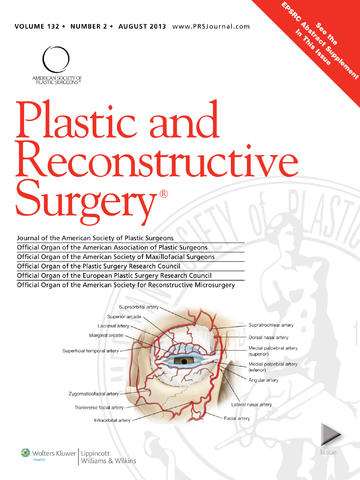 Primary evidence for the role of endocrinologic investigations in patients with adolescent gynecomastia is lacking in the current literature. The objective of this study was to assess the yield of endocrinologic investigations in the evaluation of adolescent gynecomastia to inform current practice for this common condition.
 The usage of antibiotics and antiseptics to washout the breast pocket, or to soak the breast implant during surgery, has come under scrutiny in recent times. Guidelines from the Centers for Disease Control and Prevention give no recommendation for or against the usage of antibiotics in this regard. They do however offer a weak recommendation for washing tissues with iodophor. This systematic review aims to investigate the efficacy and impact of such topical antibiotic or antiseptic usage in reducing infection rates.







 Sitio web publicado el
Los lectores comentan