

Schmitt, W; Eichhorn, M; Ford, R. D.
Journal of Plastic, Reconstructive & Aesthetic Surgery, 2016-01-01, Volúmen 69, Número 1, Páginas 55-60
 Augmentation mammaplasty is one of the most common surgical procedures performed by plastic surgeons. The aim of this study was to estimate the cost of the initial procedure and its subsequent complications, as well as project the cost of Food and Drug Administration (FDA)-recommended surveillance imaging.
 La mama con disminución de volumen y ptósica requiere un procedimiento doble que consiste, en la mayoría de los casos, en aumento con implante y ajuste de los tejidos al nuevo tamaño. Esta es una realidad que sienten los cirujanos plásticos con experiencia y mucho más aquellos que comienzan a transitar por la especialidad.
 The increasing variety of breast implants has led to their classification into «profile» types to guide implant cataloguing and selection. Implant «profile» describes the overall silhouette of the implant. It represents a permutation of all 3 dimensions of the implant: base diameter, projection, and volume. Implant «profile» is not the same as implant projection. Implant projection is a quantifiable linear measurement of the anterior-posterior dimension of the implant, whereas implant «profile» is a vendor-driven assessment that currently lacks universal standardization. Until «profile» assessments are standardized across vendors, it behooves us to be cognizant of their limitations as primary variables used to guide implant selection.
 Breast implants and, more recently, autologous fat grafting are the two most common treatments used to correct tuberous breast deformity (TBD). The post-surgical quality of life between the two techniques is not well demonstrated. This study aimed to compare satisfaction and health-related quality of life in patients affected by TBD between these two techniques.
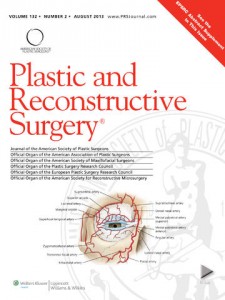 Breast implant–associated anaplastic large cell lymphoma (ALCL) is a distinctive type of T-cell lymphoma that arises around breast implants. Although rare, all cases with adequate history have involved a textured breast implant. The objective of this study was to determine the U.S. incidence and lifetime prevalence of breast implant–associated ALCL in women with textured breast implants.
 Ciudad de Panamá, 22 de marzo de 2017 – Comunicado del presidente de la FILACP referente al Linfoma Anaplásico de Células Grandes asociado a los Implantes Mamarios (BIA-ALCL)
 Pain in the early post-operative period following subpectoral placement of tissue expanders and implants is commonly reported. The current standard of care for pain control involves the use of oral narcotics. This study, determinated the efficacy of Botulinum toxin A (BTX-A) injections for pain relief following placement of subpectoral tissue expanders and breast implants.
 El cáncer de mama es el cáncer más frecuente en las mujeres en todo el mundo y es la principal causa de muerte por cáncer entre las mujeres. La mastectomía profiláctica o curativa a menudo está seguida por la reconstrucción de la mama, por lo que existen varios enfoques quirúrgicos que utilizan implantes de mama con los que los cirujanos pueden restaurar la apariencia, el tamaño y la forma natural de la mama. El objetivo de este trabajo fue evaluar los efectos de diferentes tipos de implantes de mama sobre la contractura capsular, las complicaciones quirúrgicas a corto y a largo plazo, el nivel de satisfacción posoperatoria y la calidad de vida en las pacientes sometidas al proceder.
 The majority of studies assessing the rupture rate of breast implants were performed by the breast implant manufacturing industry with questionable independence. After repetitive removals of ruptured implants from the same model, our team decided to assess the rupture rate and the estimated risk thereof for most of the silicone gel–filled implants we have used since they regained market approval in France in 2001.








 Sitio web publicado el
Los lectores comentan