

Theocharidis, V. et als.
Journal of Plastic, Reconstructive & Aesthetic Surgery, 2018-05-01, Volumen 71, Número 5, Páginas 624-636
 Smoking is considered to be a significant risk factor for the development of postoperative complications after various surgical procedures, mainly by limiting oxygen delivery to tissues. Evidence on the collective impact of smoking in aesthetic procedure outcomes is scarce. The aim of this study is to evaluate the current evidence on the association between smoking and postoperative outcomes in patients who underwent common elective procedures in plastic surgery.
 In this study, we aimed reviewed the data about the patterns of antimicrobial susceptibility and resistance determinants among carbapenem-resistant Acinetobacter baumannii (CRAB) from patients with burn injury.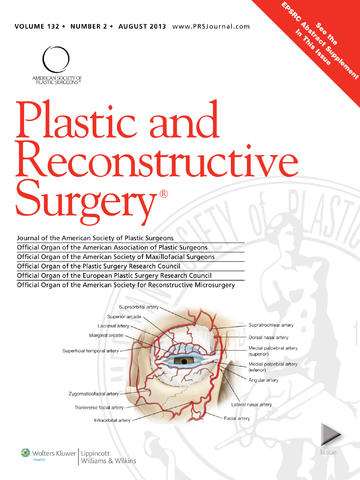
 Allograft skin (AS) transplantation has been considered to be the gold standard for replacing tissue damage, following burns. However, increasingly new biosynthetic skin substitutes are being developed as alternatives. The objective of this systematic review is to compare AS with other skin substitutes, which have been used in the treatment of burns.
 The facelift has significantly evolved over the past several decades. What was once considered a skin only operation is now a sophisticated, elegant procedure that requires meticulous preoperative analysis, understanding of underlying anatomically based aging changes, and extreme attention to detail.
 Burns are a major health problem worldwide. In some countries, they are the fourth leading cause of death in trauma patients. Every year, more than 200,000 deaths occur because of diverse types of burns, and the majority of these deaths occur in low-income countries. The incidence of burn mortality depends on both patient factors (age, gender, and comorbidities) and burn factors (depth and total burn surface area (TBSA)). Mortality prediction for burn patients is important not only to determine the prognosis of individual patients but to assess the performance of the burn institute and the quality of the health care the patients receive. Many mortality or survival prediction models have been developed, modified, and validated. The abbreviated burn scoring index (ABSI) is one of the most commonly used scores for assessing patients’ mortality. It was reviewed, modified, and validated in this study.









 Sitio web publicado el
Los lectores comentan