

Sidhoum, N. et als
Journal of Plastic, Reconstructive & Aesthetic Surgery, 2016-11-01, Volúmen 69, Número 11, Páginas 1562-1563
 Within a surgical department, communication is of the essence. Provided and adapted exchange between practitioners is the key to achieve premium patient care and optimize therapeutic strategies. With the use of smartphones, instant messaging applications face a growing popularity in both private and professional sectors, serving as a secure, efficient, and economical communication tool by optimizing transmission and data usage within teams.
Here, we aim to present the experience and results of the plastic surgery team in CHU Amiens using instant messaging as part of our medical transmissions for nearly three years.
 Aesthetic breast area improvements for gynecomastia and gender dysphoria patients who seek a more masculine appearance have increased recently. We present our clinical experience in breast masculinization and a classification for these patients.
 The increasing variety of breast implants has led to their classification into «profile» types to guide implant cataloguing and selection. Implant «profile» describes the overall silhouette of the implant. It represents a permutation of all 3 dimensions of the implant: base diameter, projection, and volume. Implant «profile» is not the same as implant projection. Implant projection is a quantifiable linear measurement of the anterior-posterior dimension of the implant, whereas implant «profile» is a vendor-driven assessment that currently lacks universal standardization. Until «profile» assessments are standardized across vendors, it behooves us to be cognizant of their limitations as primary variables used to guide implant selection.
 The ability to better prognosticate burn injury outcome is challenging and historically, most center use the Baux or revised Baux score to help prognosticate burn outcome, however, the weighted contribution of comorbidity on burn mortality has traditionally not been accounted for nor adequately studied. We therefore sought to determine the effect of comorbidities, using the Charlson comorbidity index (CCI) on burn mortality.
 Breast implants and, more recently, autologous fat grafting are the two most common treatments used to correct tuberous breast deformity (TBD). The post-surgical quality of life between the two techniques is not well demonstrated. This study aimed to compare satisfaction and health-related quality of life in patients affected by TBD between these two techniques.
 This patient safety article discusses strategies to prevent, diagnose, and manage complications from body contouring surgery. Preoperative, intraoperative, and postoperative approaches to avoiding, identifying, and treating complications are addressed. Individual complications, such as hematoma, seroma, infection, dehiscence, suture extrusion, deep venous thrombosis, and pulmonary embolism are discussed and a review of complication rates in the body contouring literature is provided. The article addresses procedure-specific complications and pearls to avoiding complications in these cases. Difficult problems such as skin relaxation and management of the disappointed patient are also discussed.
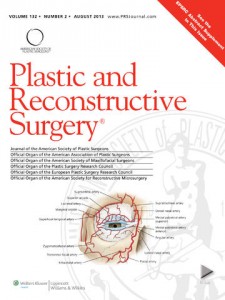 The ability to surgically rejuvenate the aging face has progressed in parallel with plastic surgeons’ understanding of facial anatomy. In turn, a more clear explanation now exists for the visible changes seen in the aging face. This article and its associated video content review the current understanding of facial anatomy as it relates to facial aging. The standard face-lift techniques are explained and their various features, both good and bad, are reviewed. The objective is for surgeons to make a better aesthetic diagnosis before embarking on face-lift surgery, and to have the ability to use the appropriate technique depending on the clinical situation.








 Sitio web publicado el
Los lectores comentan